
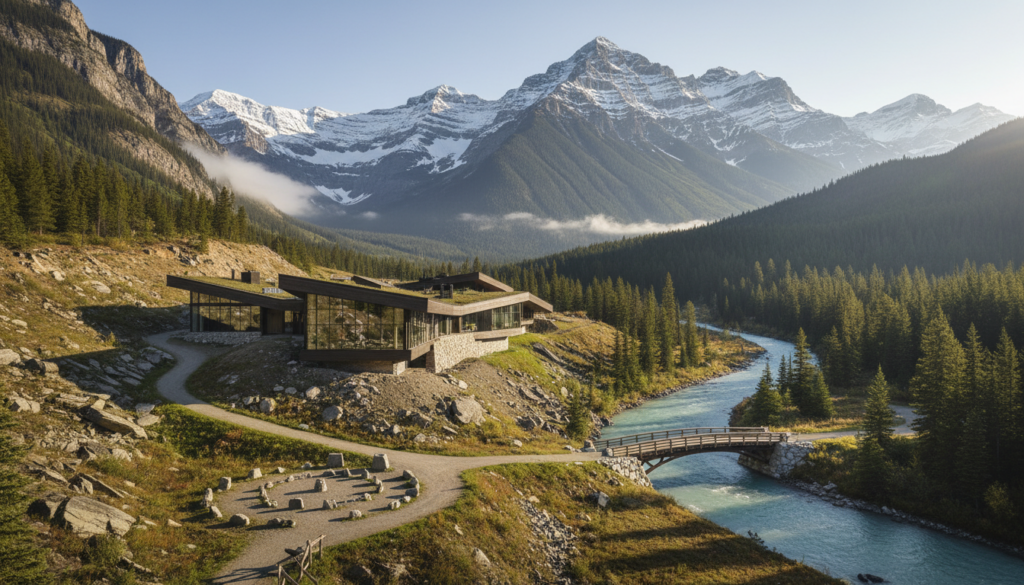

For decades, the narrative surrounding Indigenous economic development in Alberta has been intrinsically linked to the energy sector. Headlines have been dominated by landmark agreements where First Nations secured vital equity stakes in pipelines, oil sands projects, and carbon capture initiatives. While these energy partnerships remain a cornerstone of economic reconciliation, a quiet but incredibly lucrative paradigm shift is occurring parallel to the pump jacks and refineries. Alberta’s First Nations are leveraging their deep historical ties to the land to lead a massive, unprecedented expansion in the global tourism sector. By developing world-class luxury lodges, immersive cultural experiences, and sustainable eco-resorts, Indigenous communities are rapidly becoming the primary draw for high-net-worth international travelers, effectively diversifying and redefining the traditional “mountain tourism” market.
The following economic facts are based on current Alberta provincial data and market trends.
The Evolution of Economic Reconciliation in Alberta
To understand the mechanics of this tourism boom, one must first examine the historical context of Alberta’s economic reconciliation. Historically, Indigenous participation in the provincial economy was often relegated to impact benefit agreements—compensatory models that provided limited long-term growth. Over the past decade, this evolved into the “equity partnership” model, primarily within the oil and gas sector, allowing First Nations to become co-owners of major infrastructure.
However, energy markets are inherently cyclical, subject to the boom-and-bust volatility of global commodities. Indigenous leadership recognized the necessity of economic diversification to ensure generational wealth and stability. Tourism emerged as the logical next frontier. Unlike resource extraction, which relies on depleting finite reserves, cultural tourism relies on a renewable resource: heritage, storytelling, and land stewardship.
This transition represents a sophisticated economic strategy. By moving beyond mere equity stakes in external projects, Indigenous communities are becoming outright founders, owners, and operators of primary economic engines. They are not just participating in the Alberta economy; they are actively designing its future trajectory.
The Mechanics of the Indigenous Tourism Expansion
The rapid growth of Indigenous tourism in Alberta is not accidental; it is the result of calculated market positioning, strategic land use, and an acute understanding of shifting global consumer demands.
Understanding the International Traveler’s Changing Appetite
The traditional Alberta mountain tourism model—centered around Banff and Jasper—relied heavily on passive sightseeing, skiing, and standardized hotel accommodations. While this model remains highly profitable, global tourism analytics indicate a distinct shift in consumer behavior, particularly among international travelers from Europe, Asia, and the United States.
Modern high-net-worth travelers are actively seeking:
- Authenticity over Commoditization: A desire to engage with the original stewards of the land rather than consuming mass-market historical narratives.
- Active Cultural Immersion: Moving beyond museum exhibits to participate in traditional practices, such as plant medicine harvesting, traditional culinary preparation, and guided backcountry tracking.
- Sustainable and Regenerative Travel: A willingness to pay a premium for destinations that actively improve the local ecosystem and directly support local communities.
Indigenous tourism operators in Alberta have systematically engineered their offerings to meet these exact demands, creating a highly inelastic product that commands premium pricing regardless of broader economic downturns.
Leveraging Land Rights and Strategic Locations
A critical mechanic of this boom is the strategic utilization of traditional territories and settled land claims. Many Indigenous communities in Alberta are situated in or adjacent to some of the most spectacular, untouched wilderness areas in the world—areas that are highly coveted by the global tourism market but have historically been inaccessible due to a lack of infrastructure. By developing these lands on their own terms, First Nations are unlocking entirely new geographic zones for the provincial tourism economy, alleviating pressure on the heavily congested Bow Valley corridor while capturing exclusive market share.

Diversifying the Mountain Tourism Market: Typologies of Growth
The Indigenous tourism boom is characterized by several distinct typologies of business models, each engineered to capture different segments of the travel market.
High-Yield Luxury Eco-Lodges
The most significant driver of new revenue is the development of Indigenous-owned luxury eco-lodges. These facilities operate on a low-volume, high-yield economic model. Rather than processing thousands of tourists a day, these lodges cater to an exclusive clientele willing to pay thousands of dollars per night for unparalleled access and privacy.
The mechanics of these luxury lodges include:
- Architectural Integration: Utilizing sustainable, locally sourced materials to build structures that reflect traditional Indigenous design principles while offering five-star modern amenities.
- Hyper-Local Supply Chains: Sourcing food directly from Indigenous hunters, gatherers, and local agricultural producers, thereby creating secondary economic multipliers within the community.
- Exclusive Access: Offering guided access to remote backcountry areas that are restricted to the general public, providing a sense of exclusivity that is highly prized in the luxury market.
Immersive Cultural Experiences and Guided Expeditions
Beyond physical infrastructure, the service sector of Indigenous tourism is experiencing exponential growth. These experiences are highly scalable and require lower initial capital expenditures compared to lodge construction, making them excellent entry points for Indigenous entrepreneurs.
Key offerings driving market diversification include:
- Dark Sky and Aurora Viewing: Utilizing traditional astronomical knowledge to provide guided night-sky tours in regions free from light pollution.
- Culinary Tourism: Pop-up restaurants and guided foraging tours that introduce international palates to traditional ingredients like bison, elk, Saskatoon berries, and wild mint, often fused with contemporary culinary techniques.
- Equine and Backcountry Expeditions: Multi-day horseback journeys through the Rocky Mountain foothills, led by Indigenous guides who share generational knowledge of the local flora, fauna, and historical trade routes.
Engineering and Infrastructure: Building the Future of Remote Tourism
For the technical engineers, urban planners, and infrastructure investors analyzing Alberta’s economy, the Indigenous tourism boom presents a fascinating set of challenges and lucrative opportunities. Developing luxury infrastructure in remote, ecologically sensitive areas requires highly advanced engineering solutions.
Off-Grid Energy and Microgrids
Luxury eco-lodges cannot rely on traditional provincial power grids. They require the engineering of robust, self-sustaining microgrids. This involves integrating solar photovoltaics, advanced battery storage systems, and, in some cases, small-scale run-of-river hydroelectric or geothermal heating systems. Engineers must design these systems to withstand harsh Alberta winters while maintaining the uninterrupted power supply expected by luxury clientele.
Advanced Water and Wastewater Management
Sustainable tourism mandates zero-impact wastewater solutions. Technical engineering firms are increasingly partnering with Indigenous operators to design closed-loop water systems. This includes advanced membrane bioreactors for wastewater treatment, allowing effluent to be safely returned to the ecosystem or reused for non-potable applications, alongside sophisticated rainwater harvesting and groundwater management protocols.
Sustainable Material Science and Construction
Building in remote locations necessitates innovative logistics and material science. Engineers and architects are utilizing prefabricated, modular construction techniques. These structures are built in controlled environments, transported to the site, and assembled with minimal disruption to the surrounding ecosystem. The use of mass timber and cross-laminated timber (CLT)—often sourced from Indigenous-managed forestry operations—is becoming the industry standard, providing superior thermal performance and carbon sequestration.
[IMAGE: A minimalist vector illustration. Foreground: A stylized renewable microgrid and water filtration system connected to a remote wilderness camp. Background: A serene glacial lake reflecting a clear, cloudless sky. Lighting: Bright natural lighting with a clean, educational aesthetic. Focus on the feeling of sustainable engineering powering remote economic engines.]
Long-Term Growth Mechanics and Investment Opportunities
The trajectory of the Indigenous tourism sector in Alberta is not a short-term trend; it is a structural shift in the provincial economy. For potential residents, investors, and business owners, understanding the long-term growth mechanics is crucial for identifying future opportunities.
The Economic Multiplier Effect
The economic impact of Indigenous tourism extends far beyond the immediate revenue generated by room bookings and tour tickets. The sector possesses a profound multiplier effect. When an Indigenous community successfully launches a tourism venture, it catalyzes growth in peripheral sectors:
- Transportation and Aviation: Increased demand for specialized transport, including charter flights, helicopter access to remote lodges, and luxury ground transportation.
- Arts and Manufacturing: A surge in demand for authentic Indigenous art, handcrafted furniture, and traditional textiles to supply both the lodges and the retail demands of visiting tourists.
- Education and Training: The creation of specialized hospitality and guiding programs at local colleges, fostering a highly skilled, locally sourced workforce.
Pathways for Non-Indigenous Investment and Partnership
While these ventures are Indigenous-led and owned, there are significant opportunities for non-Indigenous businesses to participate through strategic partnerships, provided they approach these relationships with respect for economic reconciliation and cultural sovereignty.
- Joint Ventures in Infrastructure: Construction firms, engineering consultancies, and green energy providers can form joint ventures with First Nations to design and build the required physical infrastructure.
- Supply Chain Integration: Technology companies can provide the specialized booking software, satellite communication networks, and logistical management tools required to run remote luxury operations.
- Marketing and Global Distribution: International marketing agencies and travel conglomerates can partner with Indigenous operators to integrate these unique Alberta experiences into global luxury travel networks.
The Future Landscape of Alberta Tourism
The traditional narrative of Alberta’s economy—a binary tale of agriculture and petroleum—is rapidly becoming obsolete. The aggressive, strategic expansion of the Indigenous tourism sector is a testament to the province’s evolving economic maturity. By successfully monetizing cultural heritage and ecological stewardship through the lens of luxury and immersive travel, Alberta’s First Nations are not just participating in the tourism industry; they are fundamentally elevating it.
This shift ensures that Alberta remains globally competitive in a travel market that increasingly values sustainability, authenticity, and profound human connection. As international travelers continue to look beyond the crowded viewpoints of legacy national parks, the remote, Indigenous-led lodges of Alberta’s foothills, prairies, and northern boreal forests are poised to become the new pinnacle of global mountain tourism. This is not merely an economic boom; it is a masterclass in utilizing ancestral knowledge to engineer modern, sustainable, and highly profitable economic engines.
Sources and References
- Indigenous Tourism Association of Canada (ITAC): Annual reports on the economic impact and GDP contributions of Indigenous-led tourism ventures across Western Canada.
- Travel Alberta: Strategic provincial tourism frameworks detailing the shift toward high-yield, sustainable travel demographics and the diversification of the Rocky Mountain corridor.
- Government of Alberta Economic Dashboard: Labor market data and capital investment tracking within the provincial hospitality, remote infrastructure, and service sectors.
- Alberta Enterprise Group: Analyses on the transition of First Nations investments from traditional energy sector equity partnerships into diversified commercial real estate and tourism portfolios.