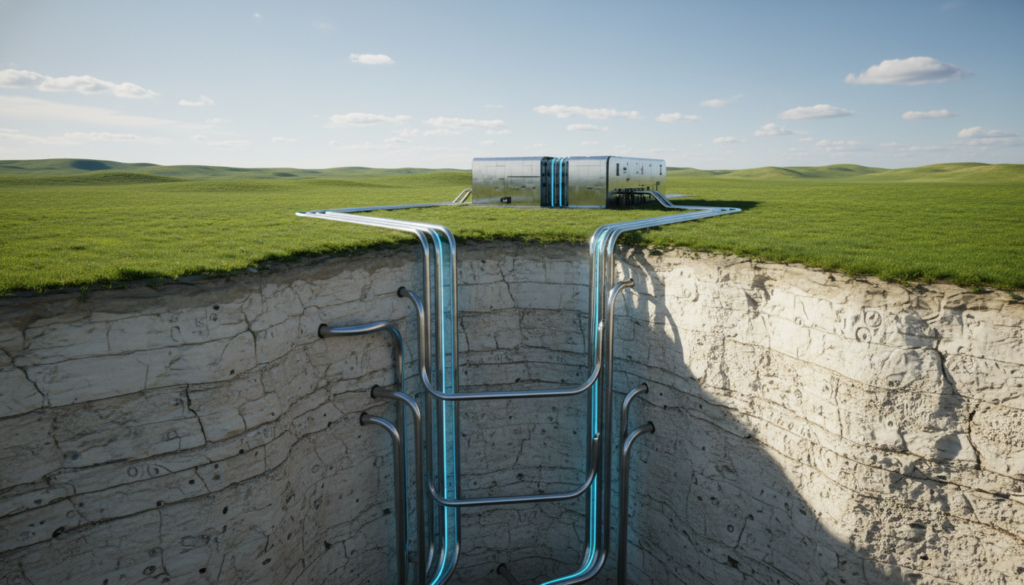

The global energy transition has sparked a modern-day gold rush, but in the historic oilfields of West-Central Alberta, the prize is not black, but white. Lithium, the critical component powering everything from electric vehicles to grid-scale battery storage, lies in immense quantities beneath the province’s surface. However, unlike the hard-rock mines of Australia or the vast, sun-baked evaporation ponds of South America, Alberta’s lithium is dissolved in deep, subterranean saltwater aquifers. Unlocking this resource requires a technological marvel known as Direct Lithium Extraction. Yet, as commercial operations prepare to scale from pilot projects to full-scale production, a formidable barrier has emerged. Industry insiders and engineers call it the "Water Wall."
The challenge is not finding the lithium, nor is it the chemical process of extracting it. The true friction point lies in the sheer, staggering volume of brine that must be pumped to the surface, processed, and safely reinjected into the earth without destabilizing the geological pressure of the reservoir. As operators navigate the stringent regulations of the Alberta Energy Regulator, a fascinating economic pivot is occurring. The traditional oilfield infrastructure players—those who have spent decades mastering fluid dynamics, pipeline corrosion, and deep-well injection—are uniquely positioned to become the unexpected winners of the green energy revolution.
The following economic facts are based on current Alberta provincial data and market trends.
The Mechanics of Direct Lithium Extraction (DLE)
To understand the economic and engineering hurdles of the Water Wall, one must first understand the mechanics of Direct Lithium Extraction and why it is the only viable path forward for Alberta’s lithium industry.
Historically, global lithium production has relied on two methods. The first is hard-rock mining (spodumene), which is highly energy-intensive and leaves a massive physical scar on the landscape. The second is brine evaporation, predominantly used in the "Lithium Triangle" of Chile, Argentina, and Bolivia. This method involves pumping subterranean brine into massive surface ponds and waiting months, or even years, for the sun to evaporate the water, leaving lithium salts behind.
Alberta’s climate and geography make evaporation ponds impossible. Furthermore, the lithium concentrations in Alberta’s historic Leduc and Swan Hills formations are generally lower than those found in South America. While a Chilean salar might boast concentrations of over one thousand milligrams per liter, Alberta’s brines typically range between fifty and one hundred and fifty milligrams per liter.
Enter Direct Lithium Extraction. DLE is not a single technology, but rather a suite of chemical engineering processes—primarily utilizing highly selective ion-exchange resins or aluminum-based adsorbents.
The DLE Process Breakdown:
- Production Pumping: Brine is pumped from deep aquifers, often exceeding two thousand meters below the surface, where it has resided for millions of years.
- Pre-Treatment: The brine is filtered to remove hydrocarbons, hydrogen sulfide, and other impurities that could foul the extraction medium.
- Lithium Adsorption: The brine flows through tanks filled with specialized beads or resins. These materials act like a chemical sponge, ignoring the calcium, magnesium, and sodium, and exclusively grabbing the lithium ions.
- Elution and Concentration: The lithium is stripped from the resin using a mild acid or freshwater wash, creating a highly concentrated lithium chloride solution, which is then refined into battery-grade lithium carbonate or lithium hydroxide.
- Reinjection: The lithium-depleted brine—representing over ninety-nine percent of the original fluid volume—must be pumped back underground.
It is this final step that creates the hydrological bottleneck. DLE is a highly efficient, environmentally friendly process with a minute surface footprint, but it is fundamentally a massive water-handling operation masquerading as a mining venture.
The "Water Wall": Scaling the Hydrological Bottleneck
The economics of Alberta’s lithium rush dictate that scale is everything. Because the concentration of lithium in the brine is relatively low, commercial viability requires processing astronomical volumes of fluid.
Consider the mathematics of a commercial facility aiming to produce twenty thousand tonnes of Lithium Carbonate Equivalent annually. At a concentration of seventy-five milligrams per liter, and assuming a highly optimistic extraction efficiency of ninety percent, an operator must pump, process, and reinject roughly eight hundred million liters of brine per day.
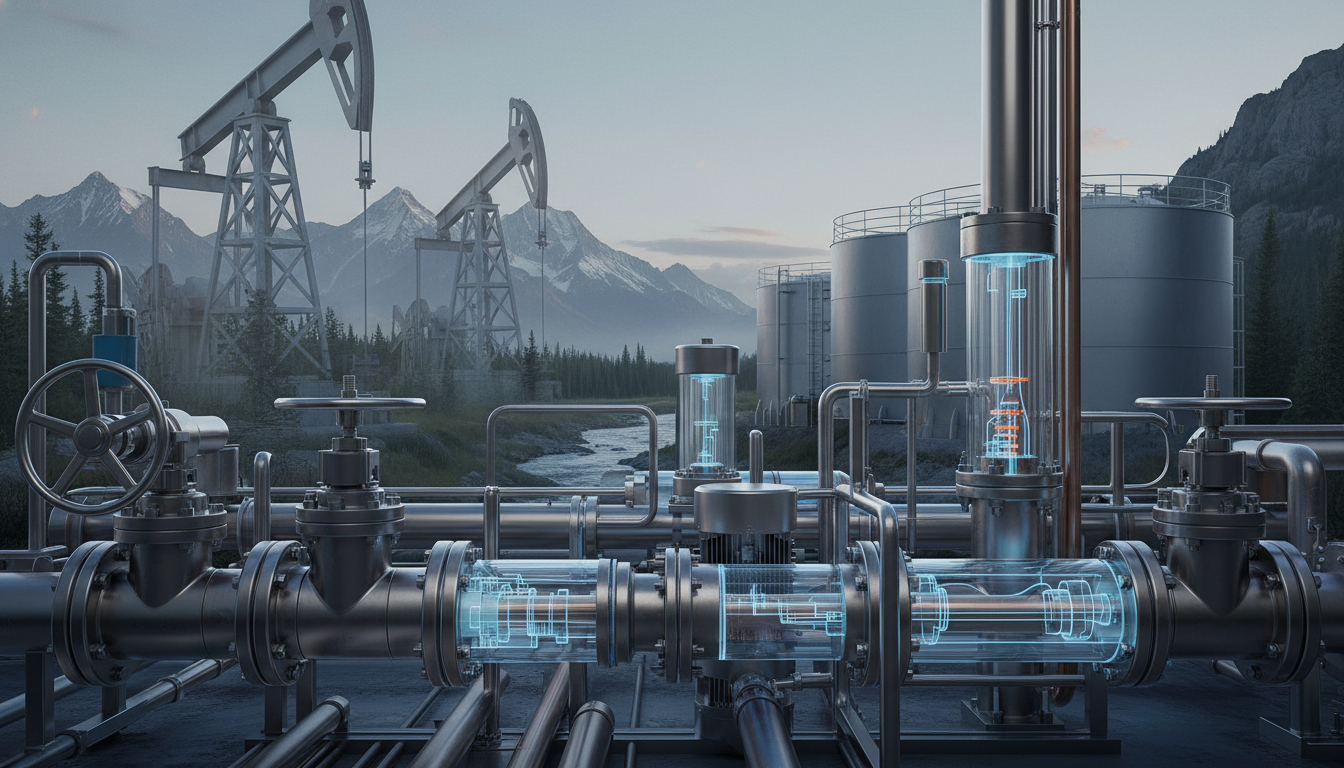
To put this into perspective, this volume is equivalent to the daily water consumption of a major metropolitan city. Moving this much fluid requires massive electrical submersible pumps, vast networks of high-pressure pipelines, and enormous holding tanks. This is the Water Wall. It is the point where the chemical elegance of DLE collides with the brutal physics of fluid dynamics and heavy industrial logistics.
Key Hydrological Challenges:
- Corrosion and Scaling: Subsurface brine is highly saline, often containing dissolved solids at concentrations three to ten times higher than seawater. When brought to the surface, changes in temperature and pressure cause these minerals to precipitate out, scaling pipes and destroying pumps. The brine is also highly corrosive to standard carbon steel.
- Energy Consumption: Pumping millions of barrels of heavy fluid up two kilometers, pushing it through dense filtration media, and forcing it back down another well requires a tremendous amount of electricity, which impacts the overall operating expenses and the carbon intensity of the final lithium product.
- Geological Permeability: The target aquifers must have excellent porosity and permeability to allow such massive volumes of fluid to be drawn out and pushed back in without requiring pressure that exceeds the fracture gradient of the rock.
For technical engineers and project developers, overcoming the Water Wall requires a paradigm shift. The focus must expand beyond the proprietary chemistry of the lithium extraction bead and concentrate heavily on the ruggedization of the fluid handling infrastructure.
Alberta Energy Regulator (AER) Rules and Subsurface Pressure Dynamics
In Alberta, the subsurface is heavily regulated to protect the environment, prevent the contamination of freshwater aquifers, and ensure the long-term stability of geological formations. The Alberta Energy Regulator oversees these operations, and their directives regarding fluid injection are among the most stringent in the world.
For DLE operators, AER regulations present a complex compliance landscape, specifically concerning reservoir pressure maintenance and induced seismicity.
Reservoir Pressure Maintenance
When you extract millions of liters of fluid from a closed geological system, the pressure within that reservoir drops. Conversely, when you inject millions of liters into a specific point, the localized pressure spikes. The AER requires operators to maintain a delicate balance. The lithium-depleted brine must be reinjected into the same geological formation from which it was taken to maintain "voidage replacement."
If an operator fails to balance this pressure, two catastrophic things can happen. First, a drop in reservoir pressure can make it impossible to pump fluid to the surface economically, effectively killing the lithium well. Second, over-pressurizing an injection well can fracture the caprock—the impermeable geological layer that keeps the deep brine separated from shallow, drinkable groundwater.
Induced Seismicity
Perhaps the most heavily scrutinized aspect of massive fluid injection is the risk of induced seismicity. Pumping high volumes of water into deep geological faults can act as a lubricant, causing the rock faces to slip and generating minor earthquakes.
Alberta has strict protocols regarding seismic events triggered by industrial activity. Under current AER directives, operators must deploy seismic monitoring arrays around their injection sites. If a seismic event exceeds a specific magnitude threshold, a "traffic light" system is triggered.
- Green: Normal operations.
- Yellow: Operations must be modified, injection rates slowed, and reports filed.
- Red: Mandatory, immediate shutdown of the injection well.
A red-light shutdown for a DLE facility would be economically devastating. Because the extraction facility cannot operate without a place to put the processed brine, an injection bottleneck instantly halts the entire revenue-generating operation. Therefore, hydrogeologists and reservoir engineers must utilize advanced 3D seismic modeling to map subsurface faults and design injection arrays that distribute the fluid over a wide area, mitigating pressure spikes.
The Economic Winners: Traditional Oilfield Infrastructure
While the headlines focus on the junior mining companies and lithium tech startups, the underlying economic reality of the Water Wall reveals a different set of winners. The companies best positioned to profit from Alberta’s lithium rush are the traditional oilfield service companies, midstream logistics operators, and pipeline manufacturers.
Alberta possesses a unique, global competitive advantage: a century of expertise in handling deep subterranean fluids. The infrastructure required for a commercial DLE facility—drilling rigs, wellheads, carbon-composite pipelines, disposal wells, and fluid treatment facilities—is exactly the same infrastructure used in the oil and gas sector.
The "Pick and Shovel" Investment Play:
- Midstream Water Handlers: Companies that traditionally manage produced water for oil and gas operations are perfectly positioned to win long-term, lucrative contracts to manage DLE brine. They already possess the regulatory permits, the right-of-way access, and the technical know-how to handle corrosive, high-salinity fluids.
- Corrosion-Resistant Manufacturers: The demand for specialized metallurgy, fiberglass-reinforced plastic pipes, and advanced internal coatings will skyrocket. Manufacturers who can supply pumps and pipes capable of withstanding hot, hyper-saline brine for decades will see massive growth.
- Drilling and Completion Services: DLE requires large-diameter wellbores to accommodate high-volume submersible pumps. Drilling contractors, cementing companies, and wireline operators will find a new, massive client base in the lithium sector, providing a vital hedge against the cyclical volatility of crude oil prices.
- Reservoir Engineering Firms: Consultancies specializing in fluid dynamics, permeability testing, and seismic monitoring are essential for navigating the AER regulatory landscape. Their expertise is the key to unlocking the permits required to build the facilities.
For investors and business owners, the lithium rush in West-Central Alberta should not be viewed merely as a mining play. It is, fundamentally, an infrastructure and fluid logistics play. The companies that provide the picks and shovels—or in this case, the pumps and pipes—are the ones who will generate consistent, low-risk revenue regardless of the daily spot price of lithium carbonate.
Long-Term Growth Mechanics for Alberta
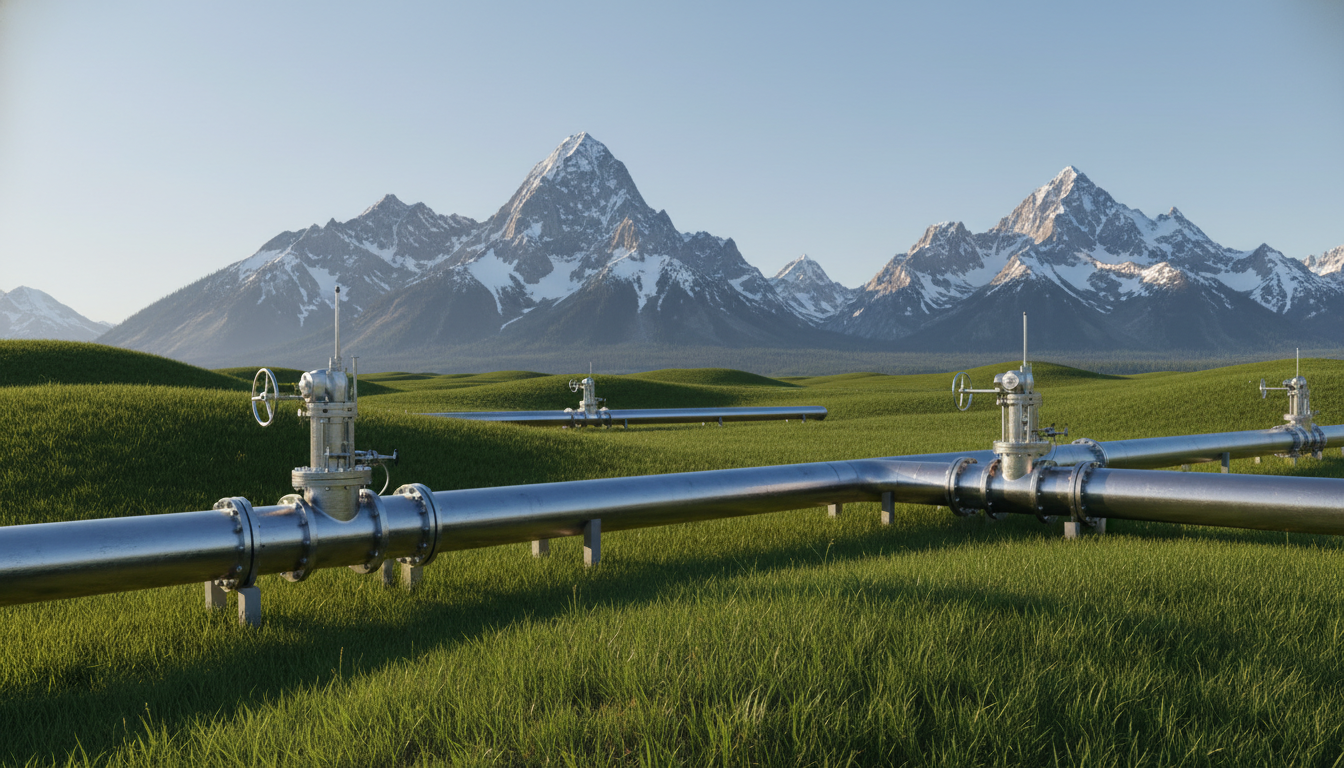
The successful commercialization of Direct Lithium Extraction in Alberta hinges on a collaborative approach to the Water Wall. If the hydrological bottlenecks can be solved, the long-term growth mechanics for the province are profoundly positive.
First, the integration of DLE provides a seamless transition for the existing energy workforce. A pipefitter, a derrickhand, or a reservoir engineer does not need to be retrained to work in the lithium sector; their skills are directly and immediately transferable. This ensures economic stability for rural communities in West-Central Alberta, transforming aging oilfield towns into critical hubs for the green energy supply chain.
Second, the repurposing of existing infrastructure drastically lowers the capital expenditure required to launch a lithium project. Alberta is dotted with tens of thousands of abandoned or suspended oil and gas wells. While not all are suitable for lithium production, many existing well pads, access roads, and power grid connections can be utilized. This "brownfield" advantage allows Alberta projects to reach commercialization faster and cheaper than "greenfield" projects in isolated global regions.
Finally, solving the brine reinjection challenge solidifies Alberta’s reputation as a top-tier jurisdiction for responsible resource extraction. As global automakers and battery manufacturers face increasing pressure to source materials with high Environmental, Social, and Governance standards, Alberta’s closed-loop DLE process—producing zero tailings, utilizing minimal surface land, and rigorously managing subsurface pressure—will command a premium in the global market.
The lithium rush in West-Central Alberta is real, and the resource is vast. But the path to unlocking this "white gold" does not run through a chemical laboratory alone; it runs directly through the Water Wall. By leveraging its historic expertise in heavy fluid logistics, leaning on its world-class oilfield service sector, and navigating the strict but necessary regulations of subsurface pressure dynamics, Alberta is poised to engineer its way to the forefront of the global energy transition. The future of lithium is not just about the battery; it is about the mastery of the brine.
Sources and References
- Alberta Energy Regulator (AER): Directives on Subsurface Fluid Injection and Induced Seismicity Monitoring.
- Alberta Geological Survey (AGS): Mapping and Assessment of Lithium-Brine Resources in the Leduc and Swan Hills Formations.
- Government of Alberta: Ministry of Energy and Minerals Data on Critical Mineral Strategies.
- Industry Technical Reports: Fluid Dynamics and Corrosion Mitigation in High-Salinity Direct Lithium Extraction Environments.